
skip to main content
Rates From
01
01
00
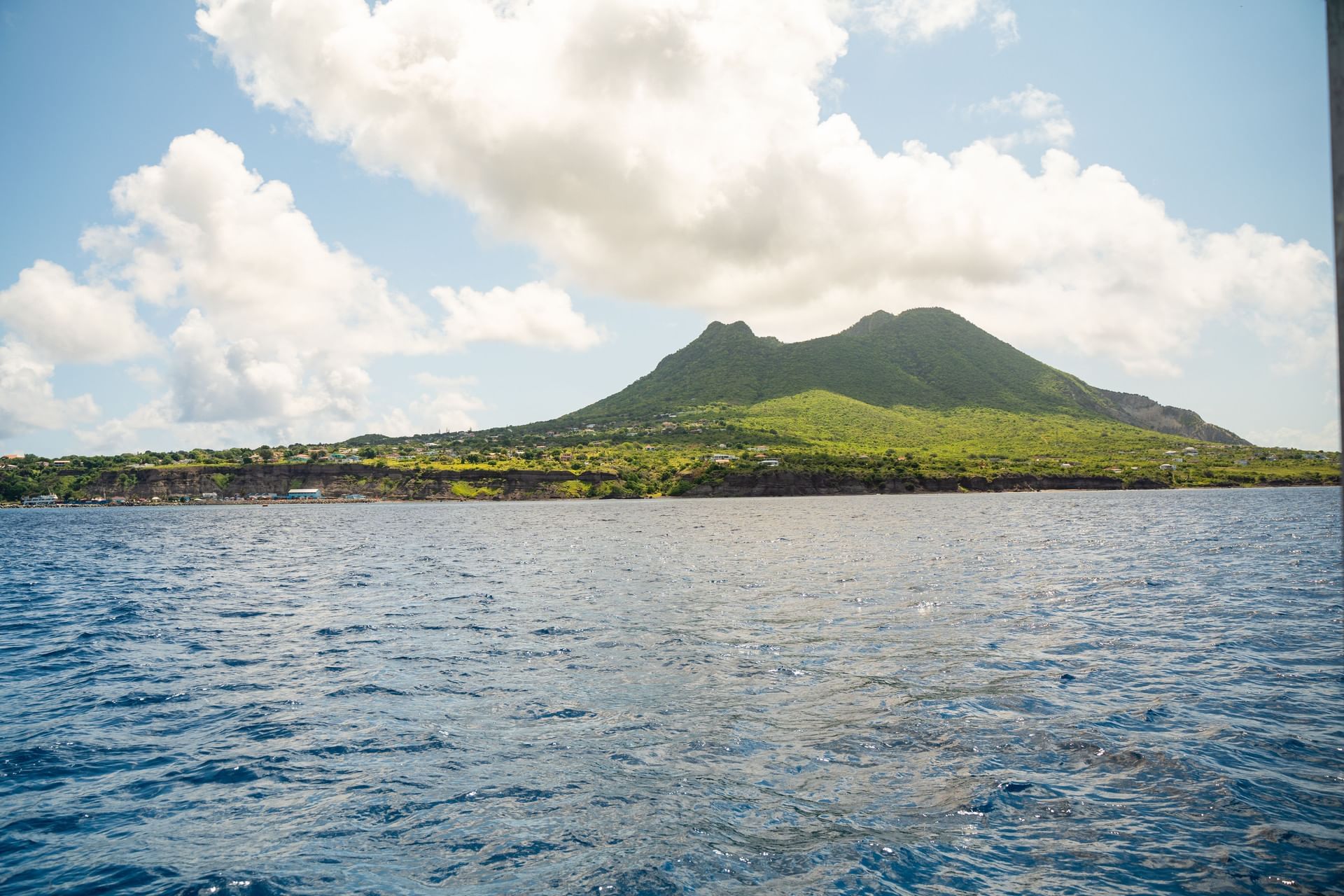
Panoramic view of Mount Mazinga, a lush, green volcanic island rising above a calm sea near Golden Rock Resort
Your adventure begins here
Sea turtle swimming near a sunken shipwreck as scuba divers explore deep blue waters near Golden Rock Resort
Best Diving in the Caribbean
Photographer: William Drumm
https://image-tc.galaxy.tf/wisvg-e2hdyex34j5x7mmzaj2sp6x0s/palms.svg.alt$#

Diving

St. Eustatius National Marine Park

St. Eustatius often called Statia is one of the best-kept secrets in the Caribbean and a true paradise for scuba divers. According to National Geographic, Statia’s pristine waters offer the best diving in the Caribbean, thanks to exceptional visibility, healthy reefs, and historic shipwrecks. The island has also topped the Scuba Diving Magazine Reader’s Choice Awards, which recognize the world’s top dive destinations. Statia ranked #1 for Best Wreck Diving, Best Macro Life, and Best Marine Environment, and placed in the Top 10 Caribbean dive destinations for Advanced Diving, Best Value, and Best Overall Dive Destination.

Statia Divers

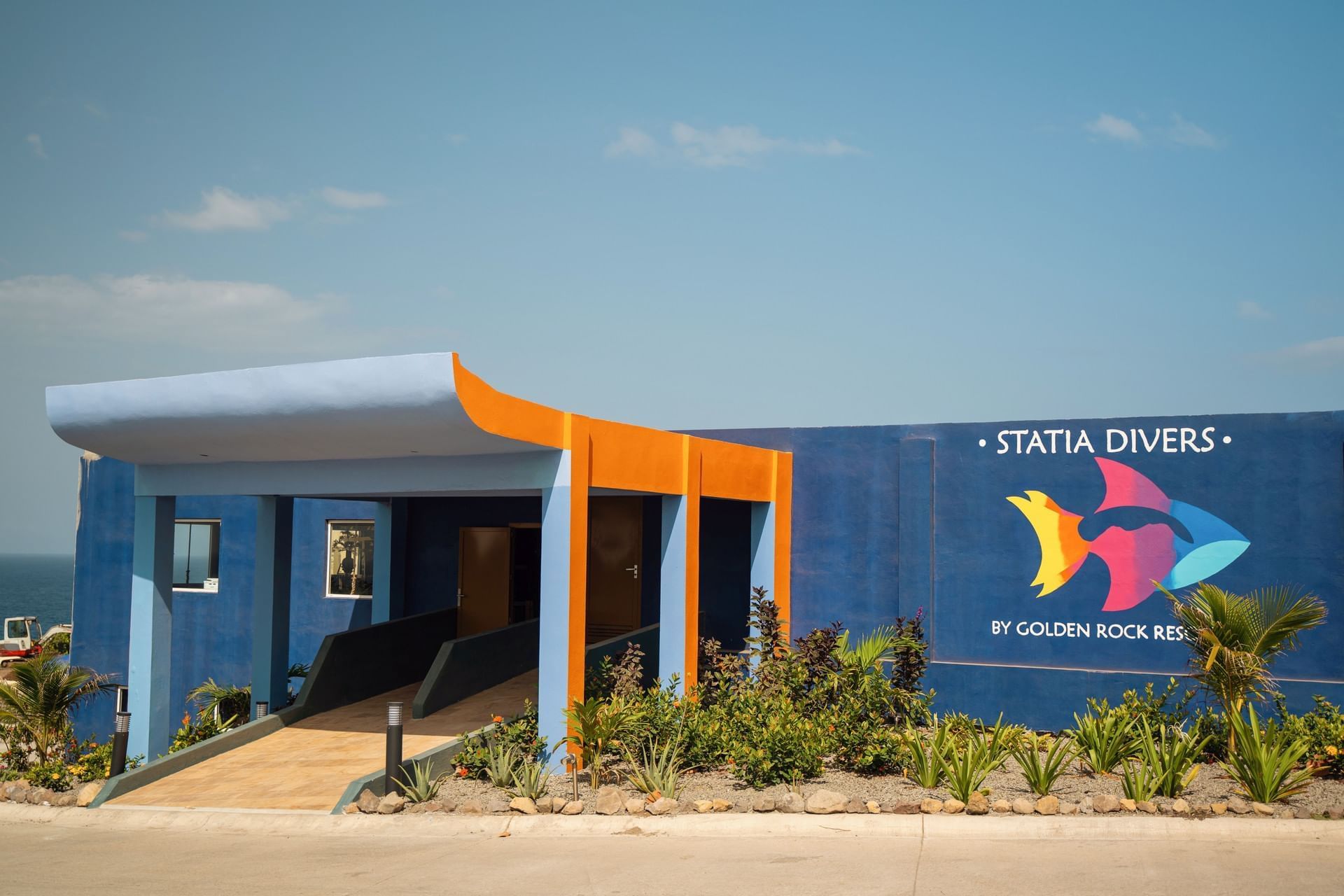
Statia Divers is ideally located along the windward coastline within Golden Rock Resort, offering easy access to some of the best dive sites in St. Eustatius. Our experienced PADI-certified dive instructors provide personalized valet-style guided dives, carefully tailored to your comfort level and diving experience. We offer high-quality ScubaPro rental equipment, and Nitrox is complimentary for all EANx-certified divers, ensuring safer, longer, and more enjoyable Caribbean dive experiences.

Exterior view of Statia Divers, featuring vibrant blue walls and a colorful fish logo by Golden Rock Resort

Gear & Equipment

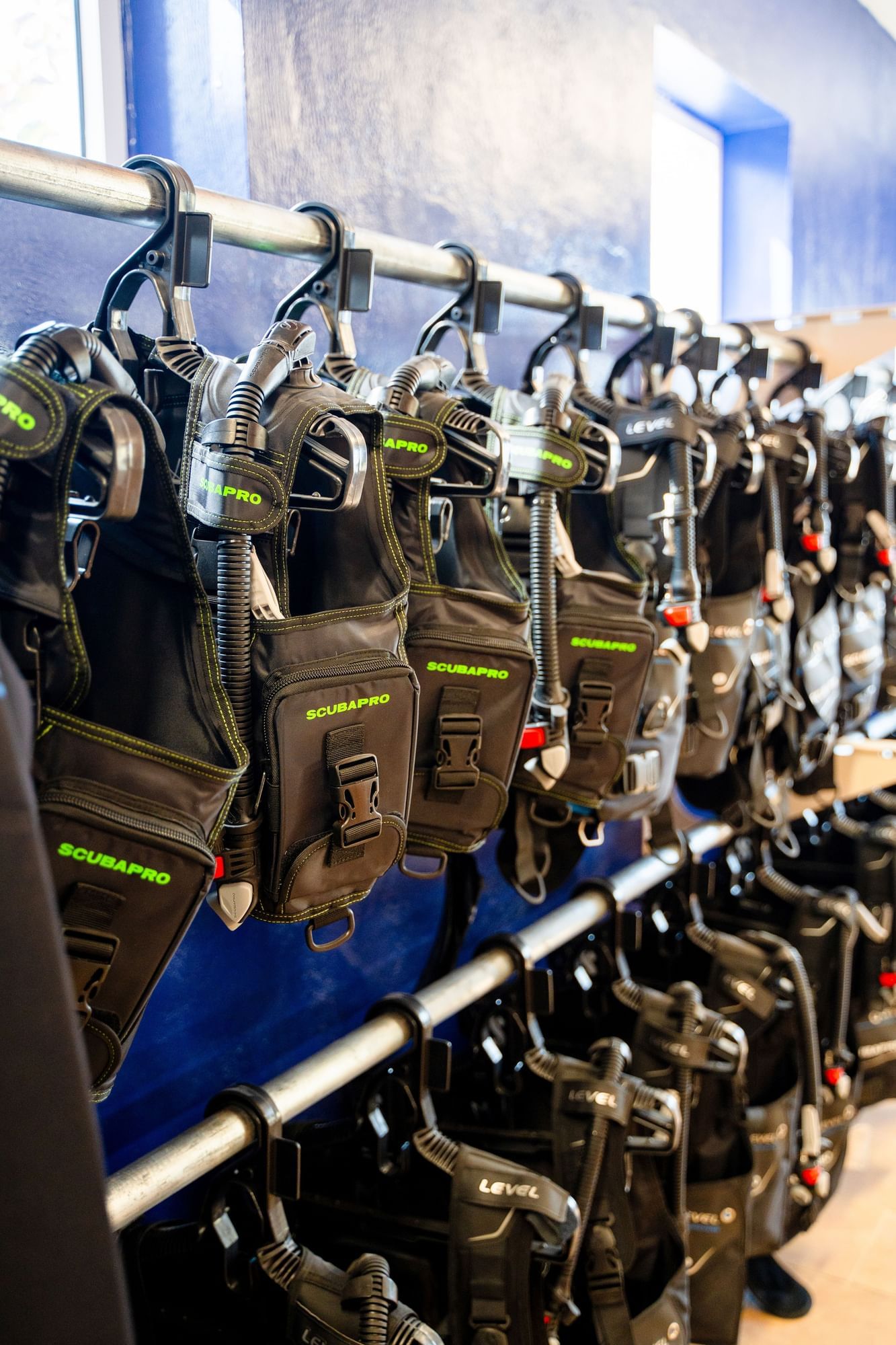
At Statia Divers, we believe exceptional diving experiences begin with top-of-the-line scuba diving equipment. Our premium rental SCUBA gear including BCDs, first and second stage regulators, fins, and masks is exclusively ScubaPro, a trusted leader in professional dive equipment. Rental dive computers are Suunto Zoop, providing reliability and ease of use for divers of all levels. Our tanks are compatible with both DIN and yoke valves, and our regulators can be easily adapted to suit either configuration, ensuring a seamless and comfortable scuba diving experience in St. Eustatius.

Row of scuba diving vests hanging on racks, showcasing SCUBAPRO at Golden Rock Resort

7-Night Stay & Dive Packages at Golden Rock Resort

We offer a 7-night Stay and Dive package in St. Eustatius, thoughtfully tailored to suit your diving experience, interests, and travel style. Choose from one of Golden Rock Resort’s luxury accommodations, located at the foot of The Quill volcano, with breathtaking panoramic views across the Caribbean Sea to neighboring islands St. Barths and St. Maarten. Guests enjoy full access to the resort’s five-star facilities, combining world-class Caribbean diving with refined comfort and exceptional service.

Scuba diver poses underwater, making a hand sign, surrounded by vibrant coral near Golden Rock Resort

Diving In St. Eustatius

Diverse Dive Sites & Year-Round Diving in St. Eustatius

At Statia Divers, we offer an exceptional diversity of dive sites in St. Eustatius, making the island one of the most rewarding Caribbean diving destinations. Divers can experience wall dives, historic wreck dives, archaeological dive sites, volcanic lava flow dives, drift dives, and night dives, all within our extensive dive portfolio. Thanks to this variety, scuba diving in Statia is ideal for pursuing PADI specialty certifications such as Deep Diver, Wreck Diver, and Enriched Air Nitrox Diver.

Most St. Eustatius dive sites are located along the protected leeward side of the island and are just a short 5–20 minute boat ride from the harbor, ensuring easy and efficient access. Dive depths range from 11 meters (35 feet) to 31 meters (102 feet), offering excellent options for both recreational and advanced divers.

Diving conditions in Statia are outstanding year-round. Air temperatures typically range between 27–30°C (80–86°F), while water temperatures average 26–29°C (78.8–84.2°F), creating comfortable conditions for unforgettable Caribbean scuba diving throughout the year.

https://image-tc.galaxy.tf/wisvg-1p91zlyygk5o8yaiuhymw8d2f/bubbles.svg?width=768.alt$#
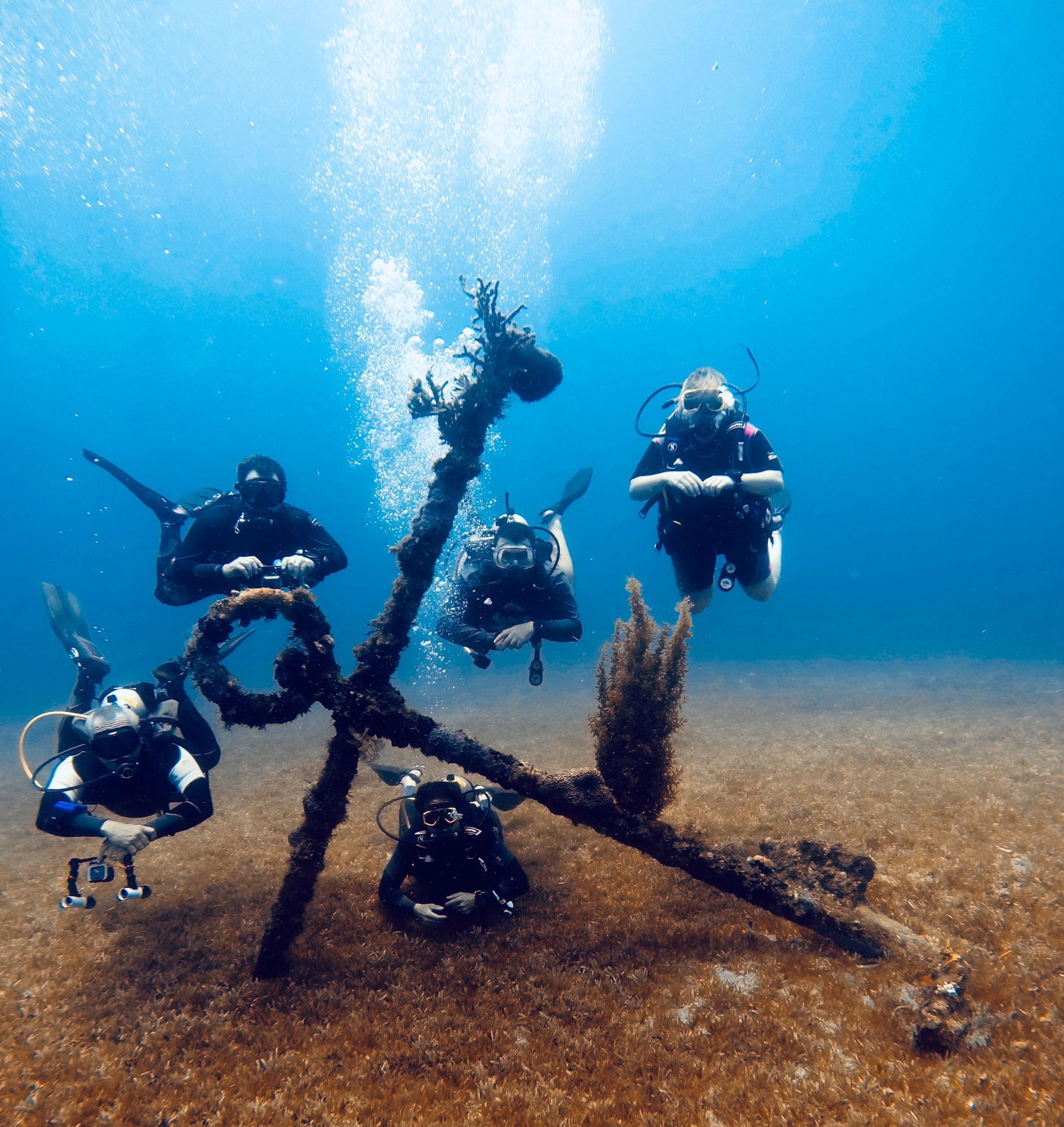
Scuba divers swinging through bubbles around an old shipwreck, covered in marine growth, near Golden Rock Resort

Divers are treated to an incredible range of underwater species in our protected marine reserve. Four species of sea turtles are regularly spotted both on the surface and underwater. Pods of dolphins and whales traverse through the region, following their migration paths. Enormous Caribbean lobsters and queen conchs abound.  Macro species like lettuce sea slugs, flamingo tongue snails, arrow crabs, Pederson cleaning shrimp, and nudibranch can be spotted by eagle-eye divers. Caribbean reef sharks, black tip reef sharks, and nurse sharks patrol our coral reefs. Stingrays, spotted eagle rays, and the occasional manta ray majestically glide through the water. Solitary fish, schools and shoals of Caribbean fish too numerous to name delight divers at all of our dive sites.

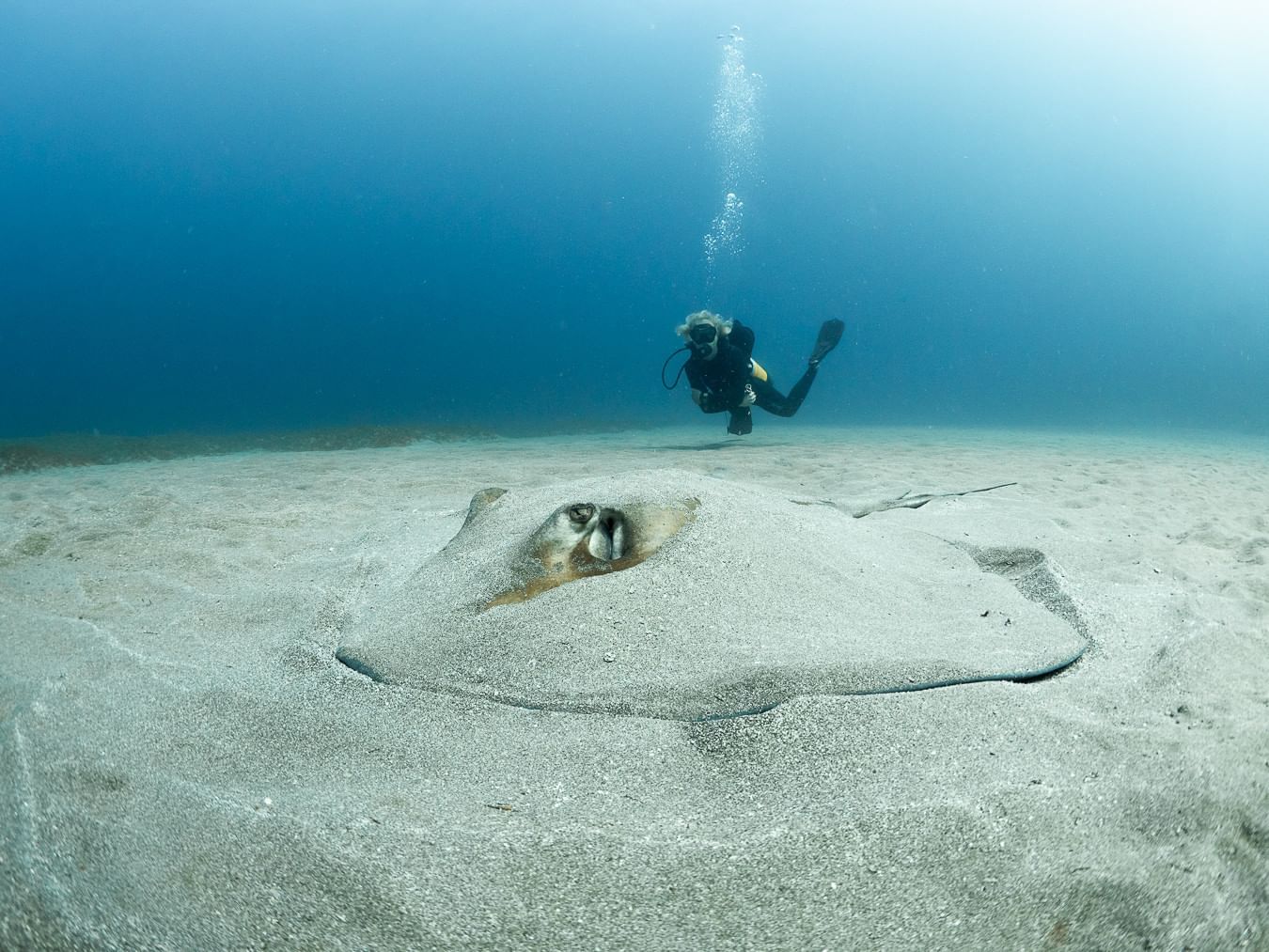
Diver diving the ocean floor near a buried stingray camouflaged in the sand near Golden Rock Resort

Frequently Asked Questions

St. Eustatius is a hidden gem with pristine reefs, abundant marine life, historic shipwrecks, and volcanic underwater landscapes. With limited crowds and protected marine reserves, diving here feels like a true adventure.

Diving is excellent year-round. Water temperatures range from 26–29°C (79–84°F), with visibility typically between 20–30 meters (65–100 feet). Whale sightings are more common between January and March. 

We work closely with the St. Eustatius National Parks Foundation (STENAPA) to promote conservation, follow eco-friendly dive practices, and encourage responsible tourism.

About St. Eustatius

St. Eustatius (Statia) is the secret gem of the Caribbean. This idyllic Dutch island nestled between St. Barths, St. Maarten and St. Kitts has a rich history dating back to 1493 when the island was discovered by Christopher Columbus.